
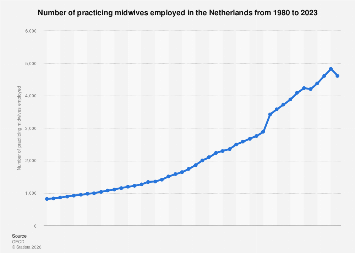
The Netherlands is known for its progressive and inclusive healthcare system, and one area that truly shines is in the field of midwifery. In fact, the country has a long-standing tradition of verloskundige kampen or midwifery care, with more than 80% of births being attended by midwives. This is a testament to the trust and confidence that women have in this profession, which goes beyond just delivering babies. Let’s take a closer look at the exceptional midwifery healthcare in the Netherlands and why it is so highly regarded around the world.
A Holistic Approach to Pregnancy and Birth
Unlike many other countries where pregnancy and childbirth are primarily seen as medical events, the Dutch approach views it as a natural process that should be supported and guided. Midwives in the Netherlands are trained to provide holistic care, catering to not just the physical needs of pregnant women but also their emotional and social well-being. This includes providing information and support for breastfeeding, postnatal care, and even mental health during and after pregnancy. The focus is on empowering women to make informed decisions about their bodies and childbirth, rather than being subjected to strict medical protocols.
Continuity of Care and Personalized Attention
One of the defining aspects of midwifery healthcare in the Netherlands is the continuity of care provided by midwives. This means that the same midwife follows a woman throughout her pregnancy, during labor and delivery, and also provides postnatal care up to six weeks after birth. This allows for a strong bond to form between the midwife and the expectant mother, resulting in personalized and attentive care. Midwives in the Netherlands also encourage home births, which further enhances the sense of continuity and comfort for women during childbirth.
Moreover, midwives in the Netherlands are highly trained professionals with a deep understanding of the physiological processes of pregnancy and childbirth. They are equipped to handle complications and emergencies, but also recognize the importance of allowing labor to progress naturally whenever possible. This approach not only improves maternal outcomes but also reduces unnecessary interventions and cesarean sections.
Inclusive and Diverse Care
The Dutch midwifery model is also known for its inclusivity and diversity. Midwives are trained to provide care to all women, regardless of their ethnicity, socioeconomic status, or sexual orientation. Furthermore, they are trained to work collaboratively with other healthcare professionals, such as obstetricians, if needed. This ensures that women receive comprehensive and continuous support throughout their pregnancy journey.
Another notable aspect of midwifery care in the Netherlands is the emphasis on supporting women’s choices and autonomy. Whether it’s choosing a home birth or opting for pain relief during labor, midwives respect women’s decisions and work towards creating a safe and comfortable environment for them during childbirth. This level of trust and respect for women’s agency is what sets the Dutch midwifery model apart from many other countries.
A Culture of Women-Centered Care
It goes without saying that the primary beneficiary of exceptional midwifery care in the Netherlands is the woman herself. The midwife’s role is not just limited to delivering the baby, but also to ensure that the mother feels supported and empowered throughout her pregnancy and postpartum journey. This culture of placing women’s needs and well-being at the forefront has resulted in consistently positive outcomes, including low maternal and infant mortality rates.
A Model for the World
The Dutch midwifery model has received worldwide recognition for its effectiveness and success in providing safe and empowering care for women during pregnancy and childbirth. Many countries, including the US, are looking to the Netherlands for inspiration to improve their own maternity care systems. The Dutch approach, with its focus on continuity of care, inclusivity, and respect for women’s choices, is a shining example of how healthcare can truly be patient-centered.
In conclusion, the exceptional midwifery healthcare in the Netherlands is a true reflection of the country’s progressive values and commitment to providing the best possible care for its citizens. It is a model that not only promotes better maternal and infant health outcomes but also empowers women and celebrates the natural process of pregnancy and birth. As we continue to strive for inclusive and compassionate healthcare around the world, the Dutch midwifery model serves as an inspiring example to follow.